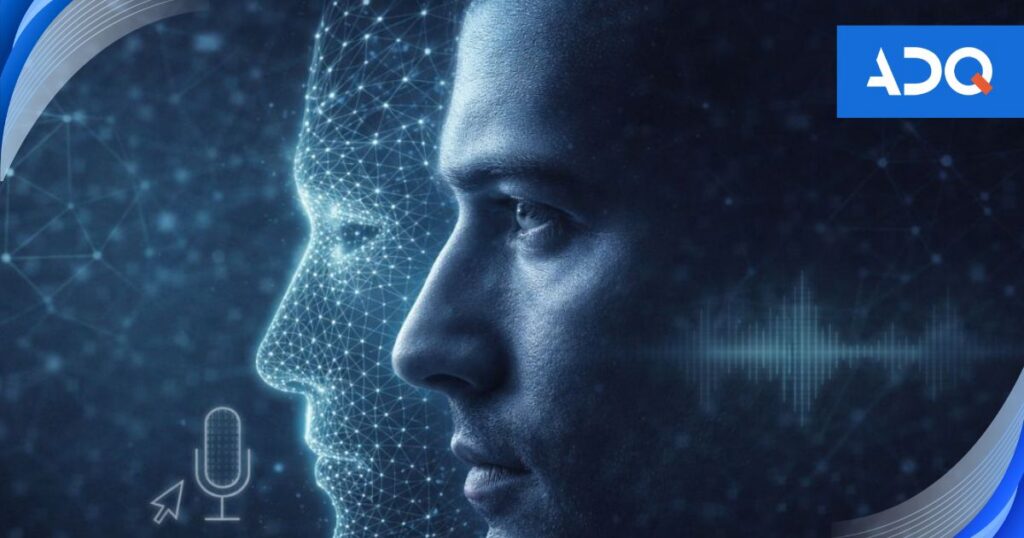
Not long ago, deepfake was often seen mainly as an impressive showcase of artificial intelligence. Today, the situation is very different. Fake voice recordings and manipulated video are increasingly becoming real tools for attacking trust. Trust is, after all, one of the core mechanisms behind everyday communication. When people see a familiar face or hear a familiar voice, they naturally assume the message is authentic. This is exactly the reaction that cybercriminals now try to exploit.
The Polish Ministry of Digital Affairs has warned that AI-based tools can generate fake materials that look like authentic statements made by real people. Such content can be used to mislead audiences on a large scale. The goal may vary – from stealing data, to triggering a transfer, to spreading disinformation, or even creating what looks like a harmless joke. However, the underlying mechanism stays the same. The attacker wants the recipient to stop trusting their own judgment and hesitate, even for a moment, about whether what they see or hear is real.
When people talk about deepfake, they often focus only on social media and manipulated videos circulating online. In reality, that is only part of the problem. In business practice, deepfake can support many other attack scenarios. One of the most dangerous examples is impersonation of decision-makers, especially when the message includes time pressure and a request for urgent action. In that case, a fake recording can influence financial processes, procurement, access approvals, or changes to established procedures.
The risk becomes even greater when an organization allows decisions to rely partly on voice or image alone. If a company lacks additional verification steps, deepfake can become a highly effective tool for social engineering. In such a scenario, the technology does not replace classic fraud. Instead, it makes that fraud far more convincing. That is why deepfake should appear not only in conversations about disinformation, but also in security policies, reporting procedures and incident response plans.
CERT Polska runs educational activities that explain how deepfake works and why it can be difficult to recognize at first glance. This matters because many people still assume that fake material must contain obvious flaws, unnatural movement or distorted sound. The rapid development of AI tools makes the line between authentic and manipulated content less and less clear.
In practice, this means organizations should not base security only on the individual alertness of an employee. Intuition alone is not always enough. Instead, companies need clear rules that reduce the risk of error, even when the material looks convincing. This is especially important in finance, procurement, and every other area where one quick decision can trigger a costly process.
The first and very practical safeguard is the second-channel rule. If someone issues an urgent instruction related to a transfer, a data change, access approval or another unusual action, that request should be confirmed through a different channel. This may be a phone call, a separate message or contact through a previously agreed method. The rule is simple: do not base a decision on one signal alone, even if it looks credible.
A second step is to define a code word or a confirmation procedure for especially sensitive processes. In many companies, this may still seem excessive. In reality, however, simple mechanisms agreed in advance often provide the best protection against rushed decisions. A third important measure is limiting situations in which decisions are made solely on the basis of voice or image. The more critical the process, the less it should depend on a single signal that is difficult to verify.
Education also matters. An organization should clearly explain how suspicious materials should be reported and where they can be verified. Another good practice is to include deepfake scenarios in security playbooks and exercises. If a company already trains employees on phishing or smishing, it should expand that training to include fake recordings and manipulated audio or video content. This approach fits naturally with other areas of cyber resilience that ADQ Technologies discusses in the Knowledge section and in materials related to SOC and incident response.
Deepfake is not only a reputational issue, and it is not just a topic for the media. It is a tool that can affect business processes, information security and decisions made under pressure. The biggest risk is not simply that the material is fake. The real risk is that, for a moment, it seems real enough to trigger action on the recipient’s side.
For that reason, companies should no longer treat deepfake as a technological curiosity. It is now a real part of modern social engineering and a new level of attack on digital trust. Since trust is the target, the response must also be systemic – based on procedures, confirmation steps, education and fast reporting of suspicious content. If you want to understand better how ADQ Technologies approaches threats, procedures and organizational resilience, the next logical step is to visit the Knowledge section or explore content focused on monitoring and operational security.
Looking to protect your organization? Check our SOC pricing and cybersecurity solutions.